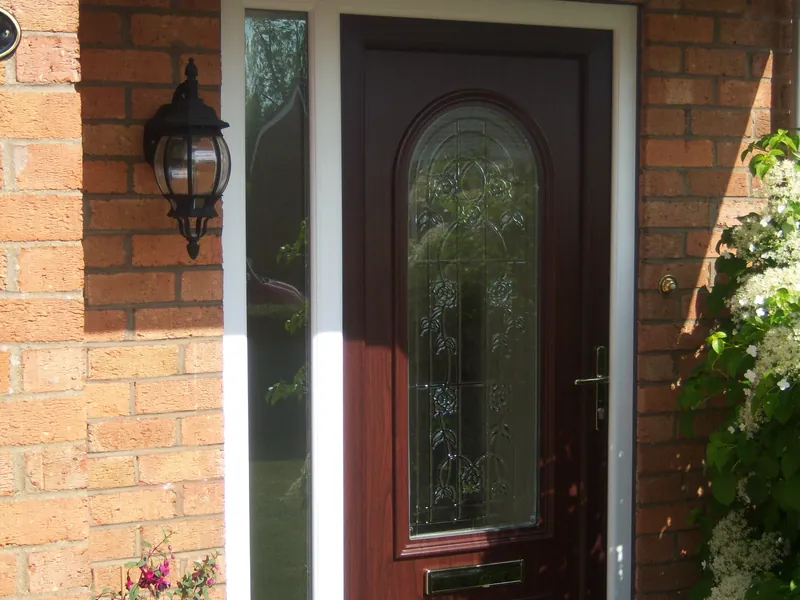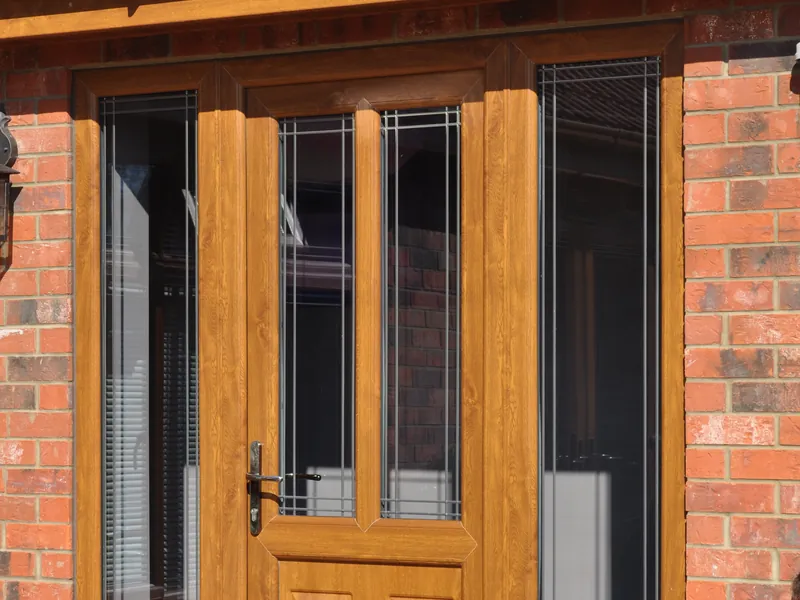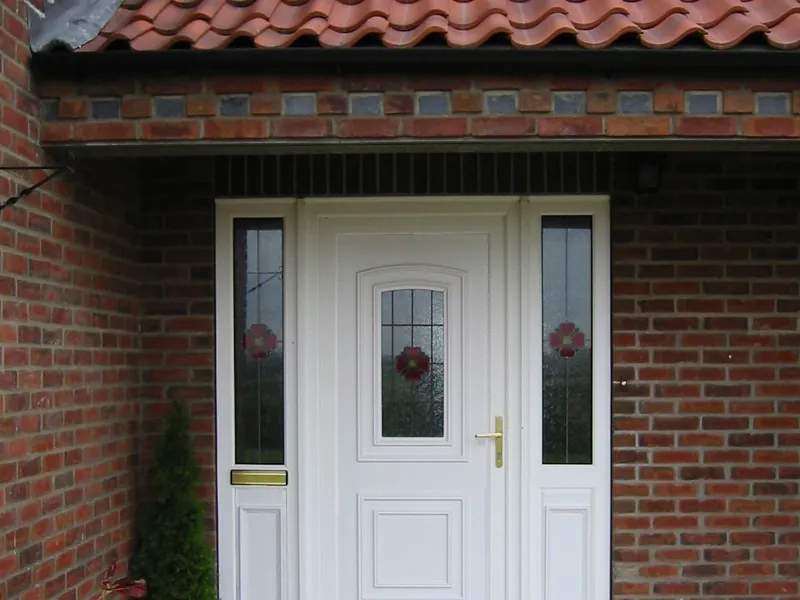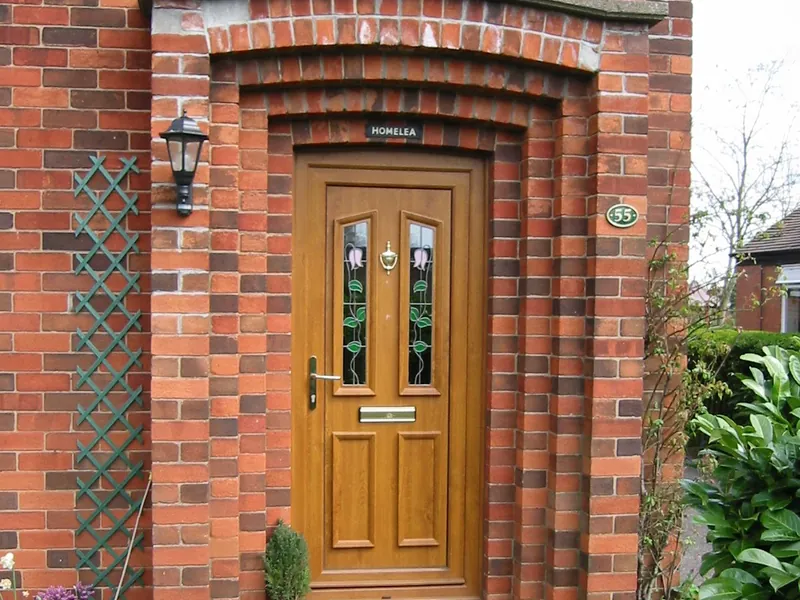
We supply and fit made-to-measure aluminium door sets in Abbey Wood, from front doors to wide sliding and bifold doors. This page is for homeowners who want slim frames, more glass and a strong, low-upkeep door. You will learn about the types on offer, how they are made, what drives the cost and how to choose the right one.
Aluminium is strong for its weight. That means the frames can be slim and still hold large, heavy panes of glass. The result is more light, clean lines and a modern look that suits new and old homes. We are a local double glazing firm, and our installers are FENSA registered.
Types of Aluminium Door We Fit
Aluminium works for almost any door in the house. These are the most common types we fit:
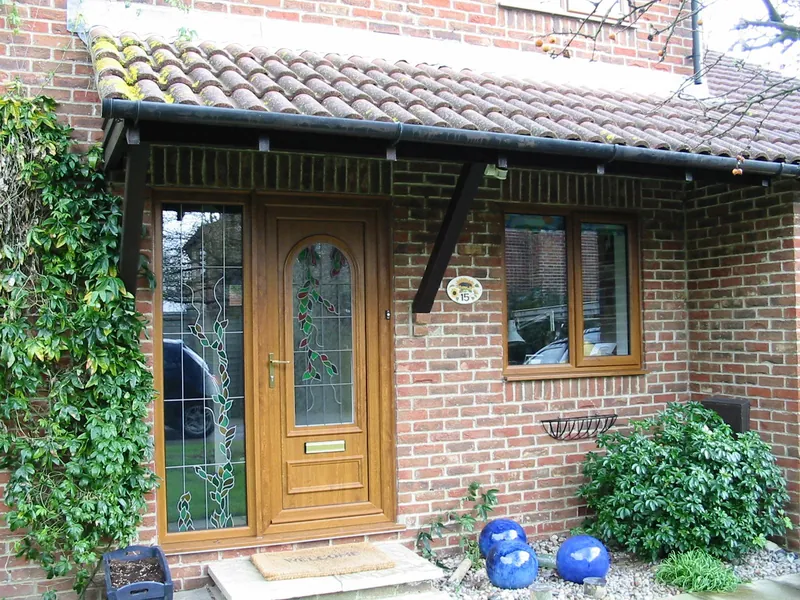
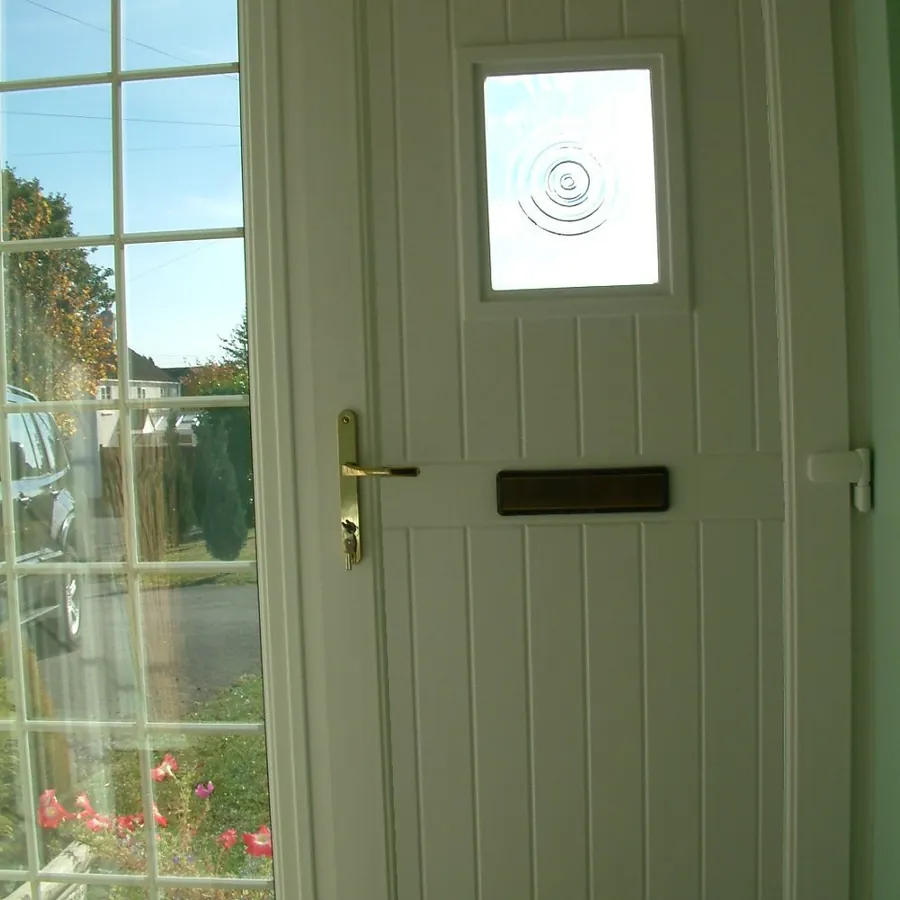
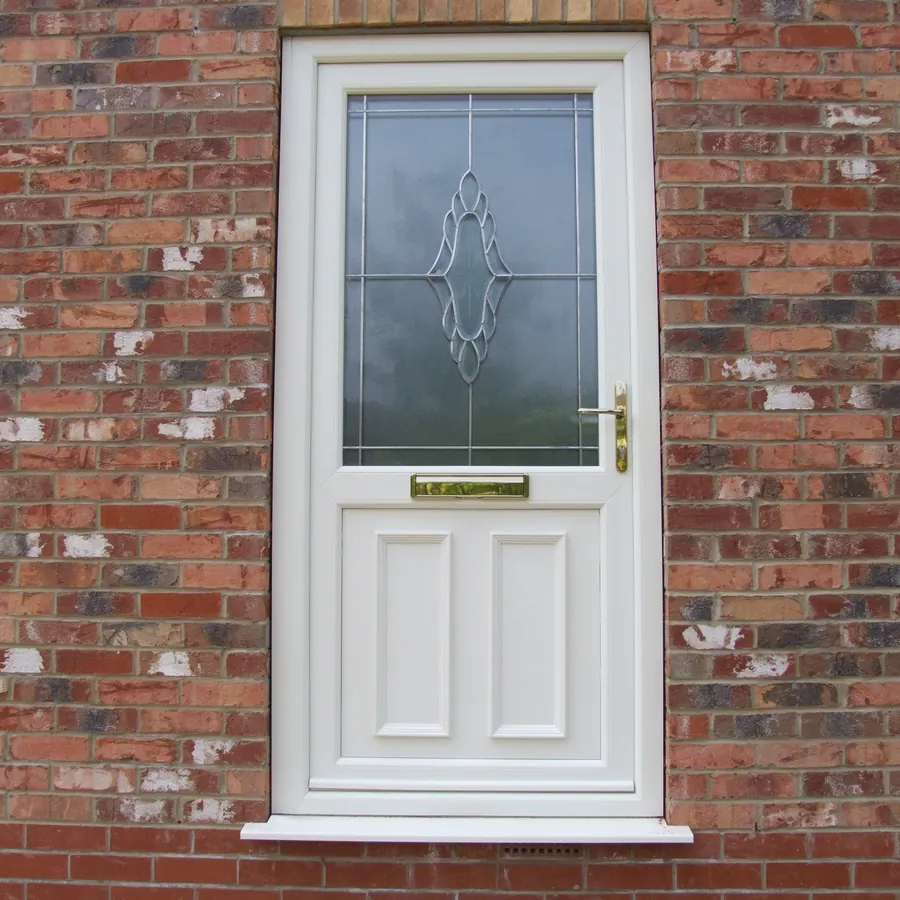
- Front doors. Solid or glazed panels, with a wide choice of colours, handles and side panels.
- Back and side doors. Slim, secure doors for the kitchen or utility room. See our page on back doors for more options.
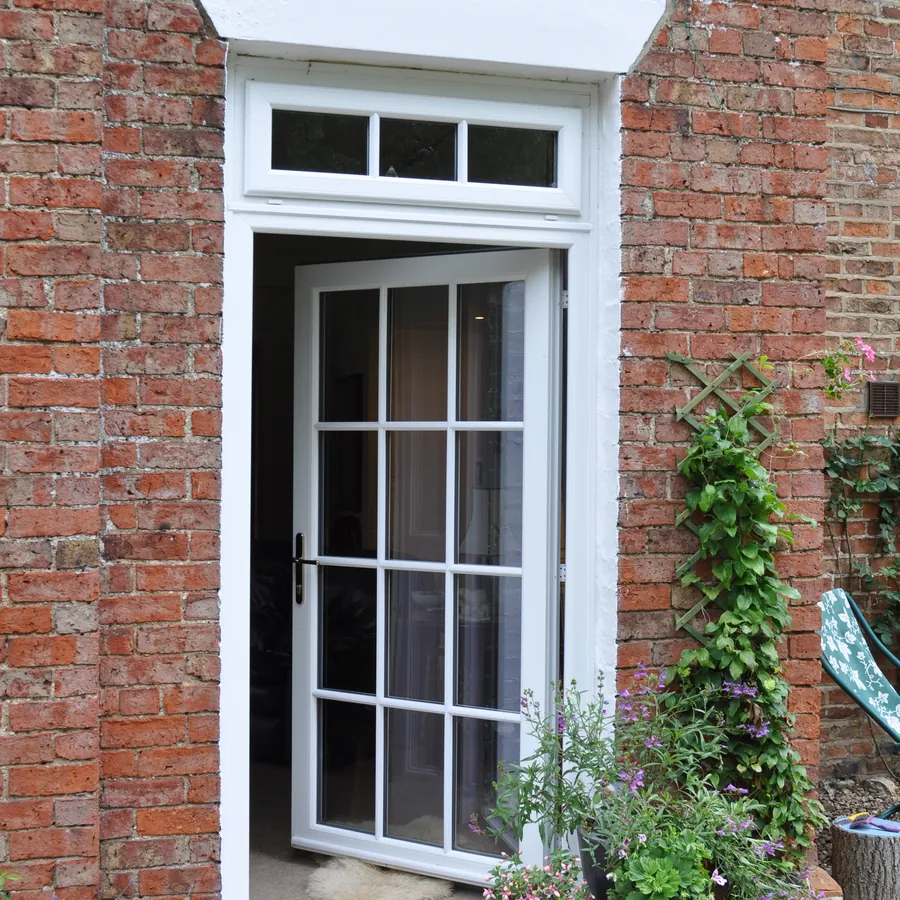
- French doors. A pair of doors that open out, with a slim meeting line in the middle.
- Bifold doors. Panels that fold back to one side and open a whole wall to the garden. See our bifold doors page.
- Sliding patio doors. Large panes that glide past each other, with the slimmest frames of all.
- Pivot doors. A tall, wide front door that turns on a pivot set in from the edge.
You can browse every style on our main double glazing doors page.
How Aluminium Doors Are Made
Modern aluminium doors are not the cold, thin frames of the past. Three things make them warm and long lasting.
Thermal break
Aluminium carries heat well, so the frame is split into an inner and outer part. A strip of tough plastic, called a thermal break, joins the two. This stops heat leaking out through the metal and keeps the inside face warm.
Powder coating
The frames are coated in a baked-on powder paint. This finish is hard, smooth and does not peel or flake. It comes in hundreds of colours, and you can have one colour inside and another outside.
Glass
We fit double glazed units with a low-E coat and argon gas. Triple glazing is also an option on some systems. All glass in doors is toughened or laminated safety glass. It is beaded on the inside, so it cannot be removed from outside.
Security and Strength
Aluminium is a strong metal, which makes the frames hard to bend or force. On top of that, our doors include:
- multi-point locks that bolt into the frame at several points;
- anti-snap cylinders that resist common lock attacks;
- strong hinges with security pins;
- laminated glass as an option for extra protection.
Many of our door systems are tested to PAS 24, the UK standard for door security. This is the standard that new homes must meet under Building Regulations. Ask us which systems carry it when you choose your door.
What Drives the Cost of Aluminium Doors
We do not list fixed prices, because each door is made to measure. These are the things that affect the price most:
- Size. Wider and taller doors need more frame and bigger, heavier glass.
- Door type. A bifold or large sliding door costs more than a single back door, as it has more panels and hardware.
- Colour. A single standard colour costs less than a dual colour or a special finish.
- Glass. Triple glazing, laminated glass or decorative glass adds cost.
- Hardware. Premium handles, smart locks and long bar pulls add to the price.
- Opening work. Widening an opening, fitting a new lintel or level threshold work adds time.
After a free survey we give you a written, fixed quote that lists the work and the payment stages. You can ask for a quote online.
Aluminium or uPVC?
Many people weigh aluminium against uPVC. Both make good doors, but they suit different needs.
- Frame size. Aluminium frames are slimmer, so you see more glass. uPVC frames are thicker.
- Large openings. Aluminium is the better choice for wide bifold and sliding doors. It stays rigid over long spans.
- Colour. Aluminium comes in a wider range of colours, with a smooth, hard finish.
- Heat. Both keep heat in well when made with a thermal break and good glass.
- Cost. uPVC is usually the lower cost choice for a standard door.
For a full side-by-side guide, read our uPVC vs aluminium page. If you want your doors to match your windows, see our double glazing windows too. We make aluminium windows in the same colours.
Building Regulations and Fitting
A new or replacement door must meet Part L of the Building Regulations. For a replacement door in an existing home, the whole door must reach a U-value of 1.4 W/m²K or better. Our aluminium doors are designed to meet this. Because our installers are FENSA registered, we can self-certify the work. You get a certificate to keep with your house papers.
Our full process is set out on how we work. In short, we survey and measure, order your door to size, fit it in a day for most jobs, and then check you are happy with it. On fitting day we remove the old door, fit the new frame, seal it and make good inside and out.
Caring for Aluminium Doors
Aluminium doors need very little care. A few simple jobs will keep them working well:
- Wash the frames with warm soapy water a few times a year.
- Keep the tracks of sliding and bifold doors free of dirt and grit.
- Oil the locks and hinges once a year.
- Check the drain holes at the bottom of the frame are clear.
Do not use scourers or strong solvents, as they can mark the coating. Homes near the sea may need a wash more often, as salt can build up. Every door comes with our 10-year guarantee.
Frequently Asked Questions
Can aluminium doors be painted in different colours?
Aluminium doors are powder coated in the factory, so you choose the colour when you order. There are hundreds of shades, plus textured and woodgrain finishes. You can also have one colour inside and a different one outside. The powder coat is hard and does not peel, so it does not need painting. If you want a new colour later, a specialist can respray the frames.
Are aluminium doors eco-friendly?
Aluminium can be recycled again and again without losing strength. Many frames already contain recycled metal. The doors also last a long time and need no painting, so there is less waste over the years. With a thermal break and low-E glass, they keep heat in well. That helps your home use less energy for heating.
What maintenance do aluminium doors need?
Very little. Wash the frames with warm soapy water a few times a year. Keep the tracks of sliding and bifold doors free of grit. Oil the locks and hinges once a year and keep the drain holes clear. Avoid scourers and harsh cleaners on the coated surface. If you live near the coast, wash the frames more often to remove salt.
How secure are aluminium doors?
Aluminium doors are very secure. The metal is strong and hard to bend or force. Our doors use multi-point locks, anti-snap cylinders and hinges with security pins. The glass is beaded inside so it cannot be taken out from the garden. Many of our systems are tested to PAS 24, the UK door security standard. Laminated glass can add more protection.
Can you fit aluminium doors yourself?
It is not a good idea. Aluminium doors and their glass are heavy, and the frame must be level and square to work well. A poor fit can cause leaks, draughts and sticking locks. A door fitted by a FENSA installer also comes with a certificate that shows it meets Building Regulations. Without it, you would need to pay for council sign-off yourself.