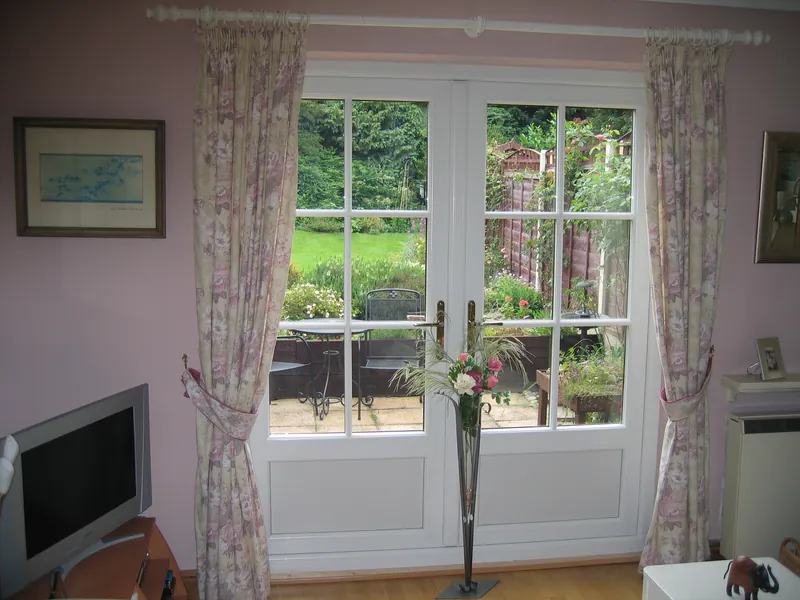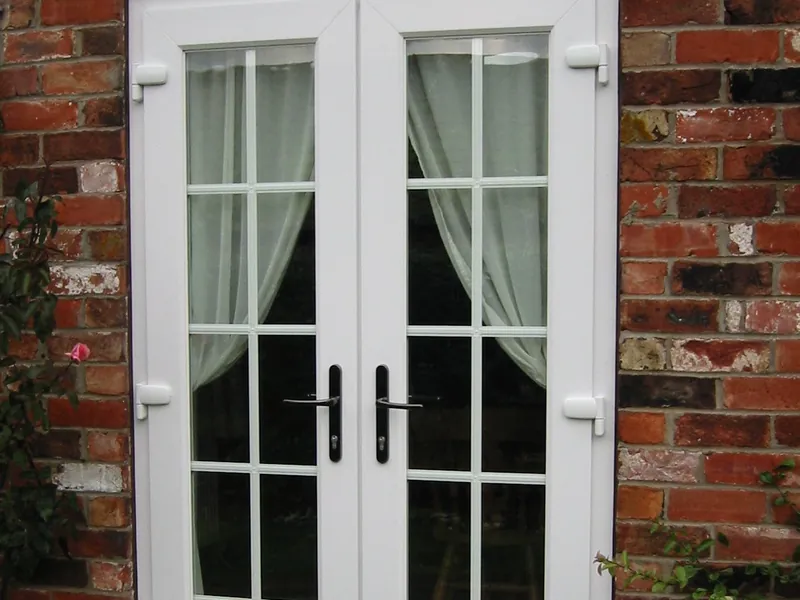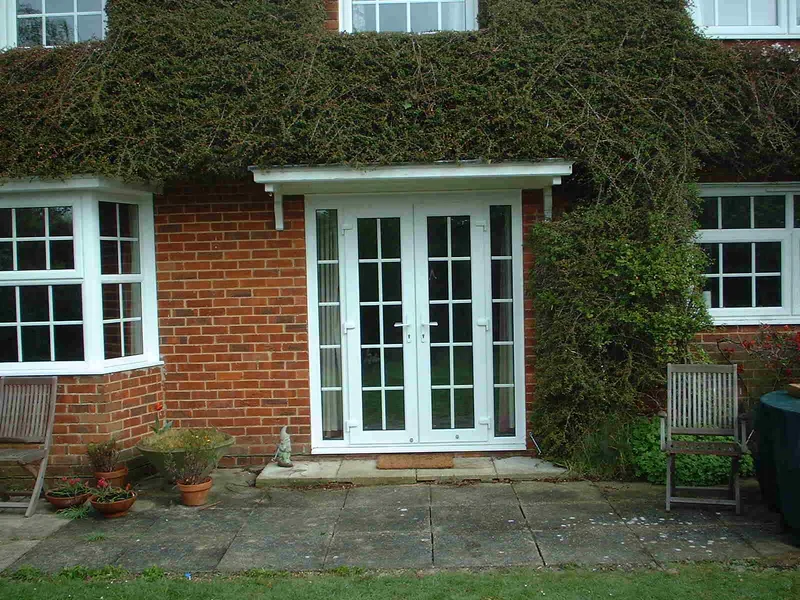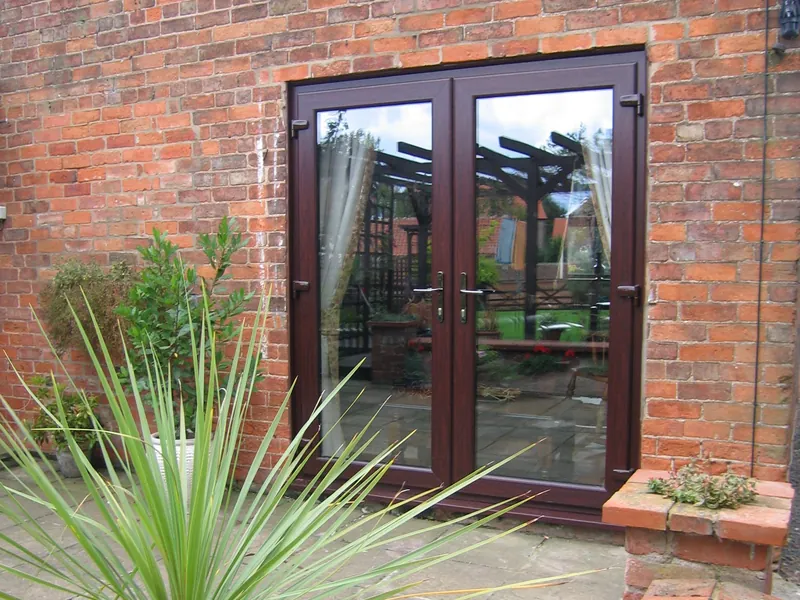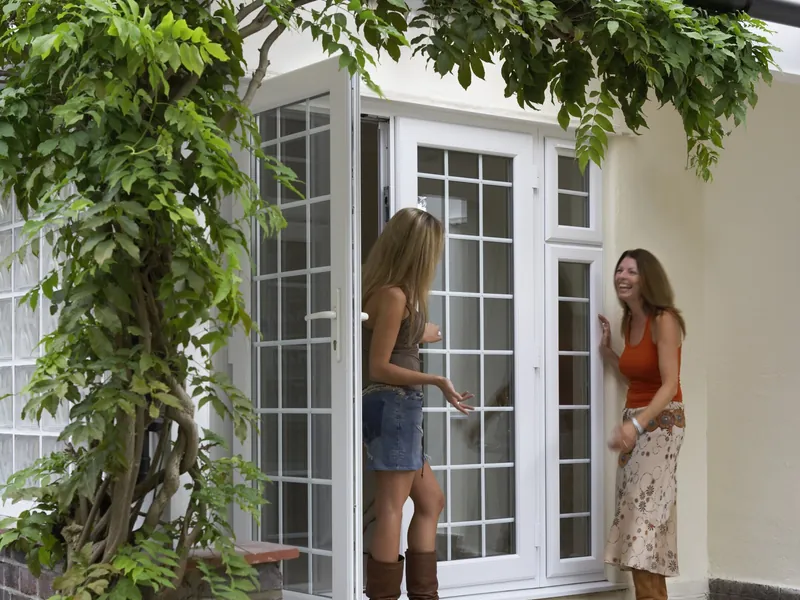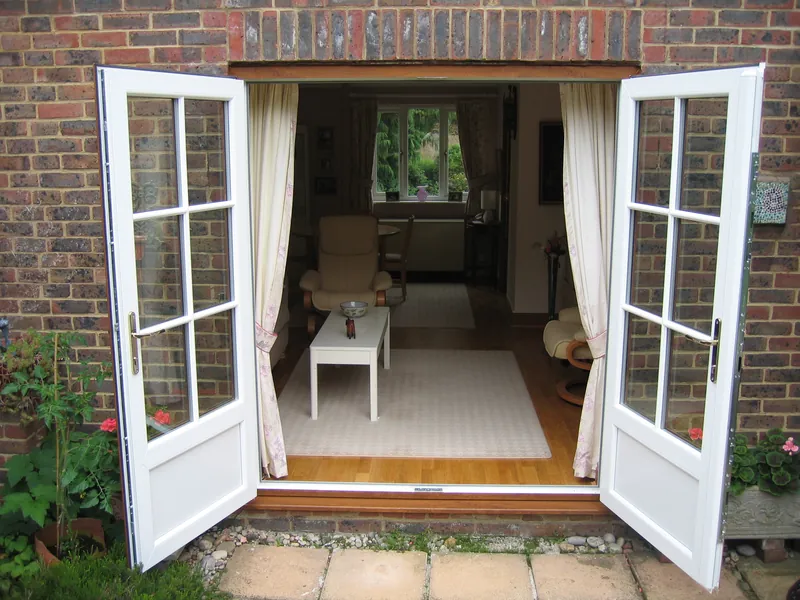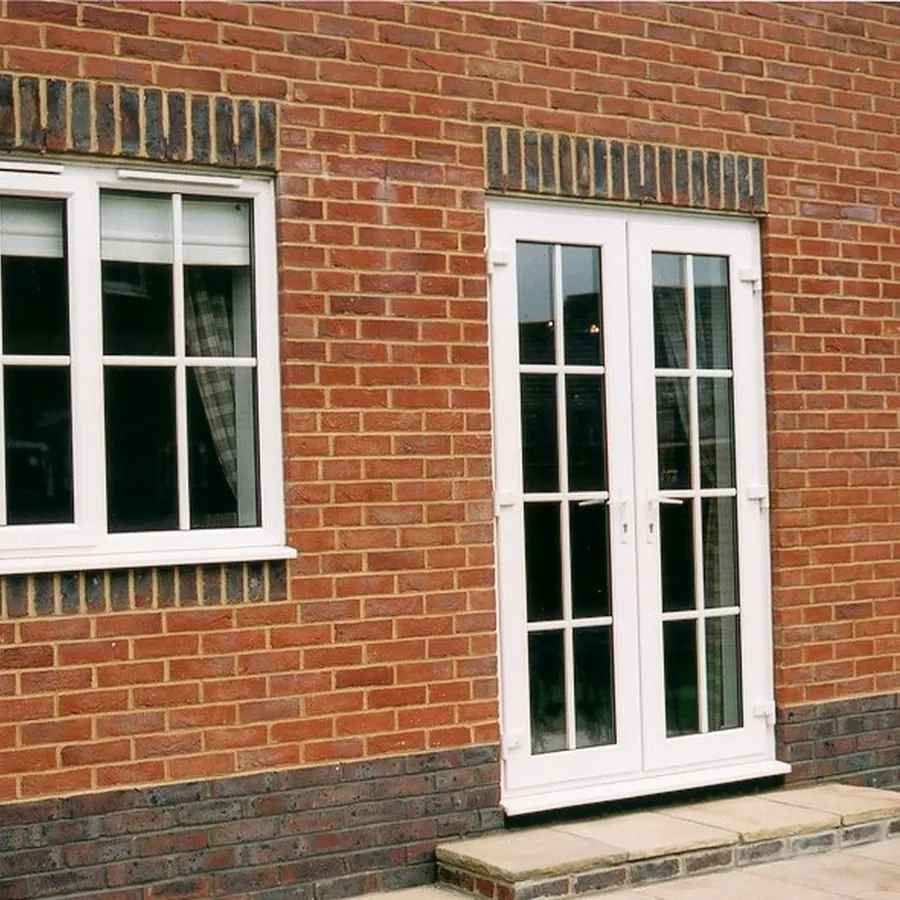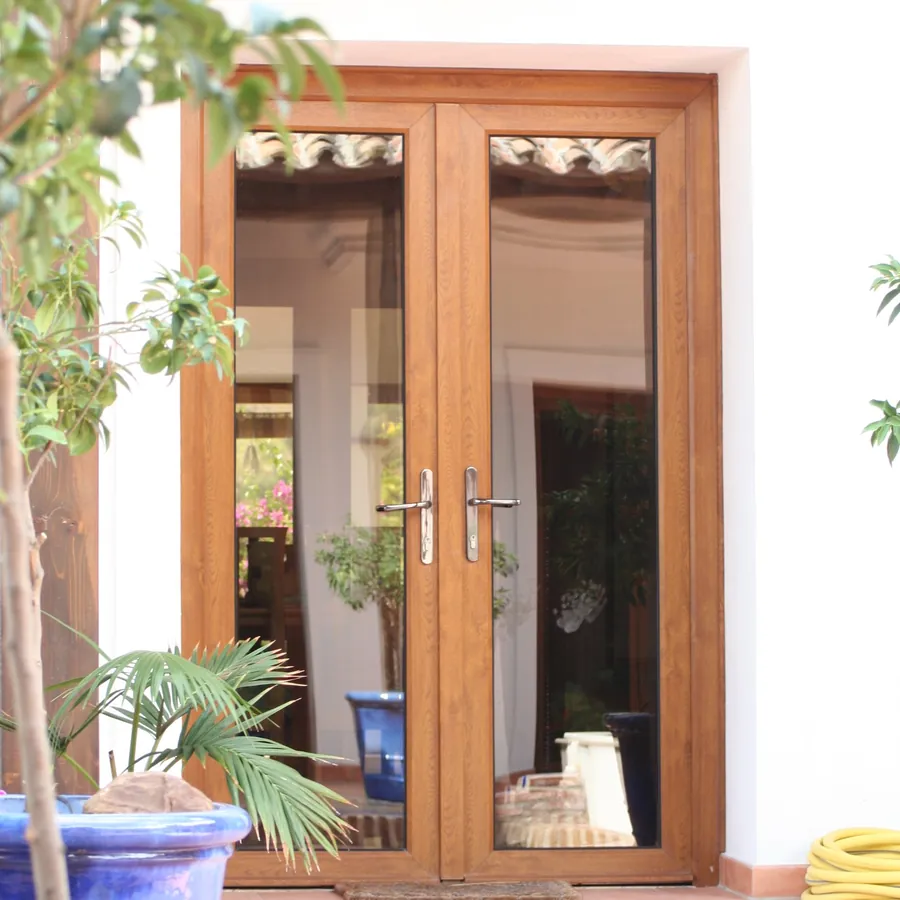
We make and fit double glazed French doors in Abbey Wood. They suit homeowners who want a pair of doors that open wide onto a garden, patio or balcony. You get made-to-measure doors, fitted by our own team, with a 10-year guarantee.
Each pair is built to your opening. You choose the frame, colour, glass and hardware. We take care of the survey, the build, the fitting and the paperwork. As a FENSA registered installer, we sign off the work under Building Regulations, so you do not need to deal with building control yourself.
French doors are one part of our wider double glazing service. If you are still weighing up your choices, our double glazing doors page lists every door we fit.
What French Doors Are and Why People Choose Them
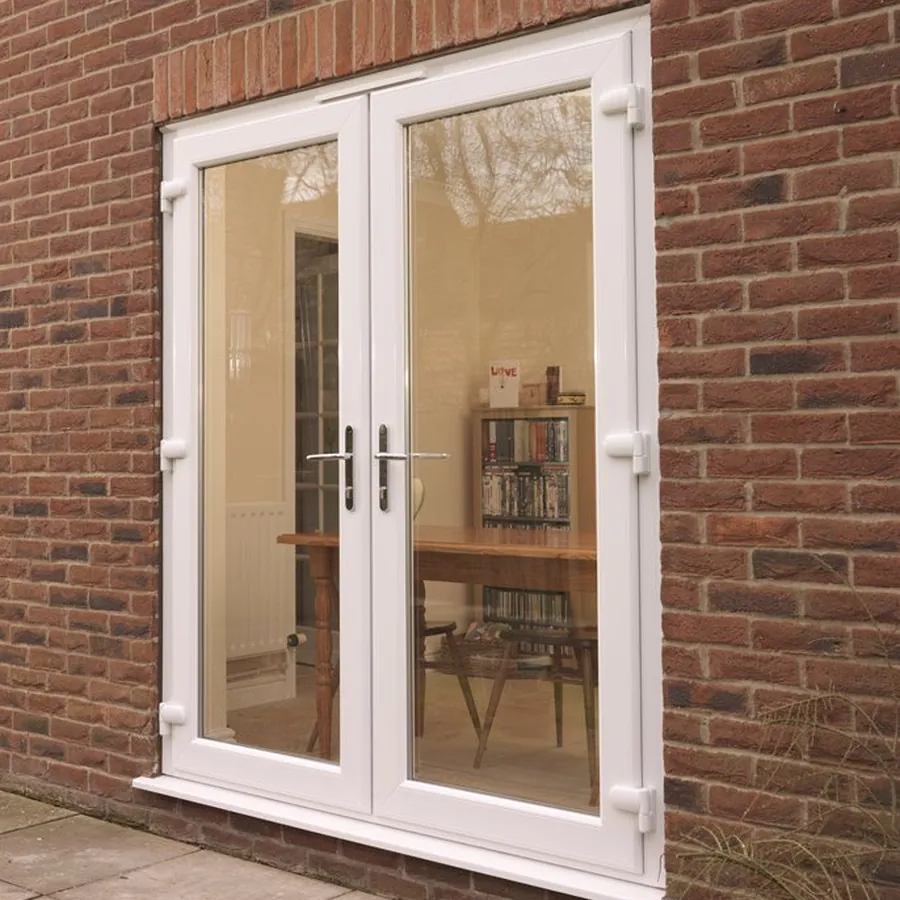
A French door set is two doors hung side by side in one frame. Both doors open, so the whole gap is clear when you want it. When they are shut, the meeting stiles lock into each other, and the frame seals all round.
Most of each door is glass. That means far more daylight than a solid back door. It also gives you a clear view of the garden all year, even with the doors closed.
People choose French doors for a few plain reasons:
- A wide opening. Both leaves open, so you can carry in garden chairs or open up the room on a warm day.
- A classic look. They suit Victorian, Edwardian, 1930s and modern homes alike.
- More light. Tall glass panes brighten kitchens, dining rooms and lounges.
- Simple to use. No tracks to keep clean, and the handles work like any other door.
French doors open outwards or inwards. Outward opening is the usual choice in the UK. The doors do not swing into the room, so you keep your floor space for furniture. Inward opening can work on a balcony where there is no room for the doors to swing out.
Frame Materials, Colours and Glass Options
We fit French doors in two main frame materials. Each has its own strengths.
uPVC French doors
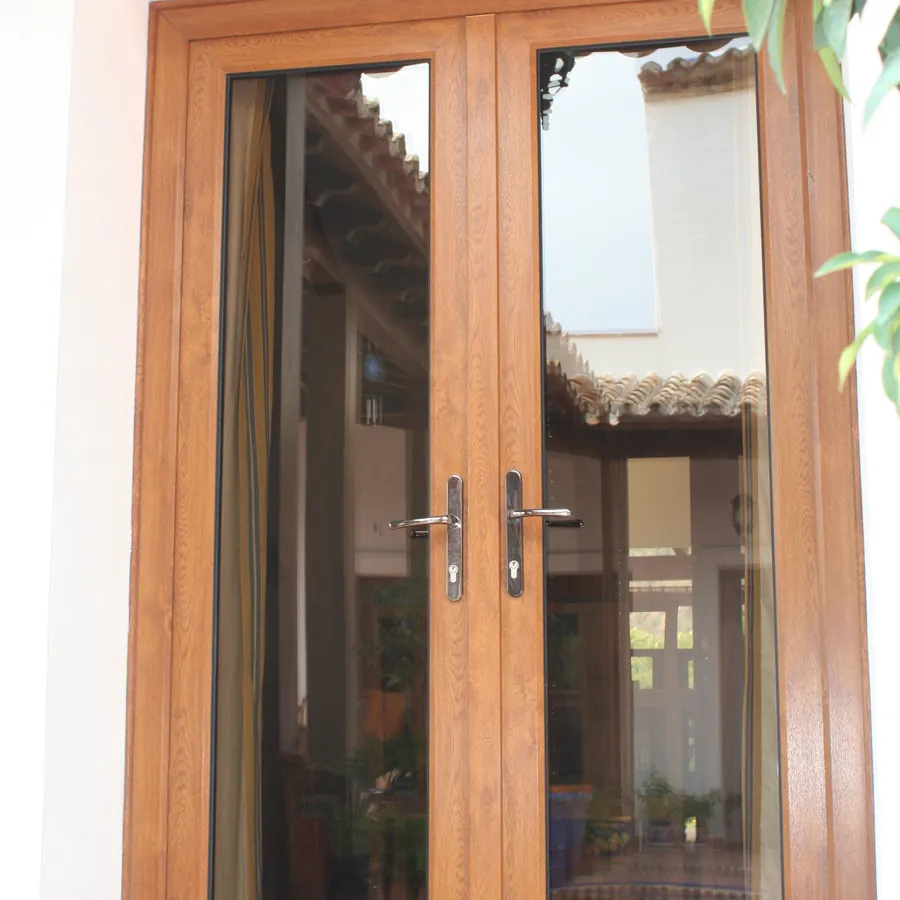
uPVC is the most popular choice. The frames are steel reinforced, warm to touch and need little care. They come in white, cream, grey, black and a range of woodgrain foils. A foil can look like oak or rosewood on one side and white on the other.
Aluminium French doors
Aluminium is strong, so the frames can be slimmer. That means more glass and a cleaner, modern look. The frames are powder coated in almost any RAL colour, and they will not warp or fade quickly. A thermal break inside the frame stops heat escaping through the metal.
Glass and glazing bars
Every pair comes with toughened safety glass, as the rules require in doors. Our standard unit is a 28mm double glazed unit with argon gas and a low-E coating. Inside, the glass is held by internal beads, so it cannot be prised out from the garden side. You can add:
- Georgian bars or astragal bars for a period look
- Obscure or frosted glass for privacy
- Integral blinds sealed between the panes
- Side panels or a top light to fill a wider or taller opening
If you want windows to match, see our double glazing windows range. We can match the frame colour and the glazing bars so the back of the house looks like one design.
Security and Locking
French doors meet in the middle, so the locking matters. We fit a multi-point lock on the main door. When you lift the handle, hooks and rollers engage at several points down the edge. The second door is held shut with shoot bolts at the top and bottom.
Other features in every set:
- Anti-snap cylinders, so the lock cannot be forced out
- Internal glazing beads, so the glass cannot be removed from outside
- Hinge-side security pins, which stop the doors being lifted off
- Strong steel or aluminium sections in the frame
Ask us about doors tested to the Secured by Design standard if you want extra peace of mind. We can show you what is included at the survey.
How We Make and Fit Your French Doors
We start with a free survey. We measure the opening, check the brickwork and lintel, and talk through the style you want. Then we send a written, fixed quote. Once you go ahead, your doors are made to measure and we book a fitting date.
On the day, we remove the old door or window and fit the new frame. We pack it, fix it and seal it, then hang and adjust both doors. We finish the inside and outside edges and clear up. Most French door jobs take one day.
Some jobs mean making a new opening. For example, you may want to turn a window into French doors. This needs a wider gap and often a new lintel. We will tell you at the survey if the work needs a builder or a structural check, and we can plan it with you.
You can read the full journey from survey to after-care on our how we work page.
What Affects the Cost of French Doors
We do not publish set prices, because every opening is different. Instead, here is what drives the cost:
- Size. Wider and taller doors use more frame and glass.
- Frame material. Aluminium costs more than uPVC.
- Colour and finish. Woodgrain foils and dual colours add to the price of white.
- Glass. Triple glazing, obscure glass or integral blinds cost more.
- Extras. Side panels, top lights and Georgian bars add to the total.
- Building work. A new opening or lintel adds labour and time.
Every job gets a written, fixed quote after a free survey. The quote also sets out the payment stages. To book your survey, request a quote online.
Building Regulations and Planning
Replacing a door with a new French door set counts as building work. The new doors must meet Part L for heat loss and Part K for safety glass. Under Part L, a new door set in an existing home must reach a U-value of 1.4 W/m²K or better. Our standard units meet this.
As a FENSA registered firm, we self-certify the work. You get a certificate when the job is done. Keep it with your house papers, as a buyer's solicitor will ask for it. You can check our membership on our accreditations page.
Most French doors at the back of a house do not need planning permission. A new opening at the front, a listed building or a home in a conservation area may be different. We will flag this at the survey, and you can check with your local council if in doubt.
Looking After Your French Doors
French doors need very little upkeep. A few small jobs keep them working well for years:
- Wipe the frames with warm soapy water every few months.
- Clean the glass with a soft cloth and a mild glass cleaner.
- Keep the drain holes at the bottom of the frame clear.
- Put a drop of light oil on the lock and hinges once a year.
- Check the seals and call us if one starts to lift.
Avoid harsh cleaners and scouring pads. They can scratch the frame and dull the finish. If a door drops or rubs, call us. A small hinge adjustment fixes most problems in a few minutes.
French Doors or Another Type of Door?
French doors are not right for every home. Here is a quick guide:
- Choose French doors if your opening is up to about two metres wide and you like a traditional look.
- Choose sliding patio doors if you have a wide opening, little room for doors to swing, or want large fixed panes.
- Choose bi-fold doors if you want the whole wall to open and you have the width for it.
If you are also changing the main entrance, our front doors page covers composite, uPVC and aluminium options. We can match colours across every door and window in the house.
Frequently Asked Questions
Can French doors fit in a small space?
Yes. French doors can be made quite narrow, and outward opening keeps the doors out of your room. If the doors would hit a wall or a step outside, we can fit inward opening doors instead. For a tight gap, a single door with a side panel may work better. We measure the space at the survey and show you the options that fit.
How secure are French doors?
Our French doors are very secure. The main door has a multi-point lock that engages at several points along its edge. The second door is held with shoot bolts at the top and bottom. We fit anti-snap cylinders, internal glazing beads and hinge-side security pins. The glass is toughened safety glass, which is much harder to break than standard glass.
Can existing doors or windows be replaced with French doors?
Yes. Replacing an old back door or patio door is the most common job we do. If you want to turn a window into French doors, we need to widen or deepen the opening. That may need a new lintel and some building work. We check the wall at the survey and tell you what is involved before you commit.
What maintenance do French doors need?
Very little. Wipe the frames and glass with warm soapy water a few times a year. Keep the drain holes at the base clear of leaves and grit. Oil the lock and hinges once a year. Check the seals now and then. If a door starts to drop or rub, call us and we will adjust the hinges.
Do French doors keep the heat in?
Yes. Our French doors use a 28mm double glazed unit with argon gas and a low-E coating. The frames are multi-chambered uPVC or thermally broken aluminium. Every set meets the Part L limit of 1.4 W/m²K for a new door. Good seals around the edges and between the doors stop draughts, so the room stays warm in winter.