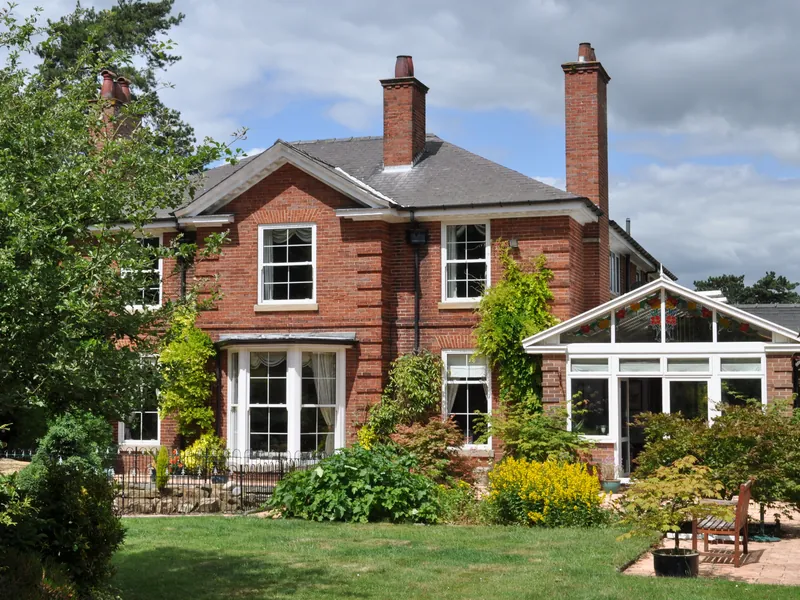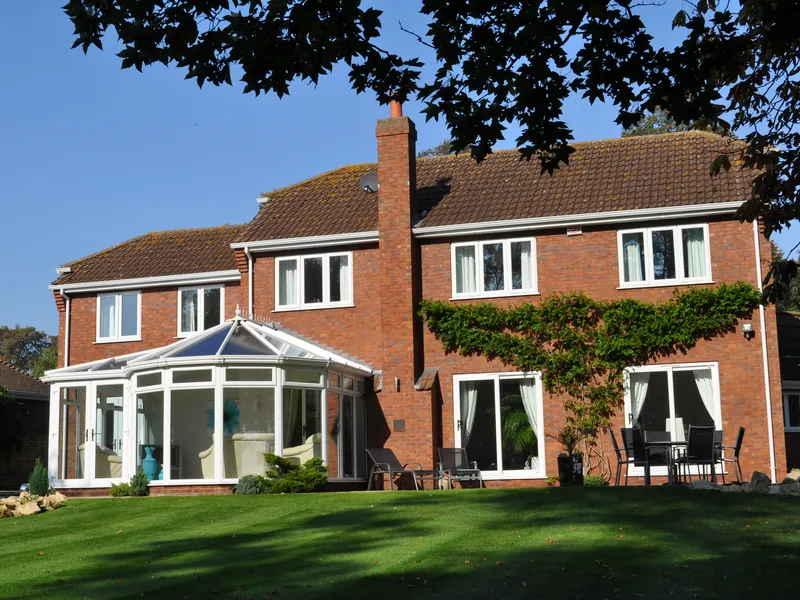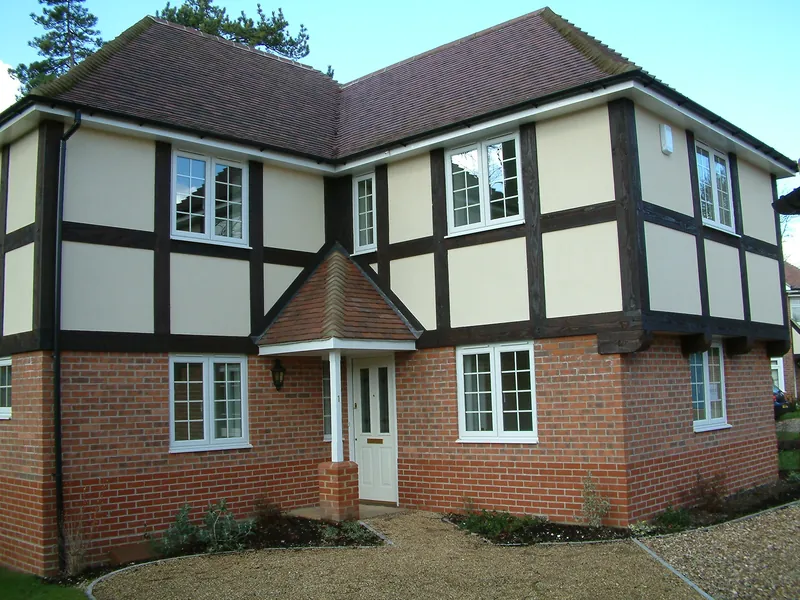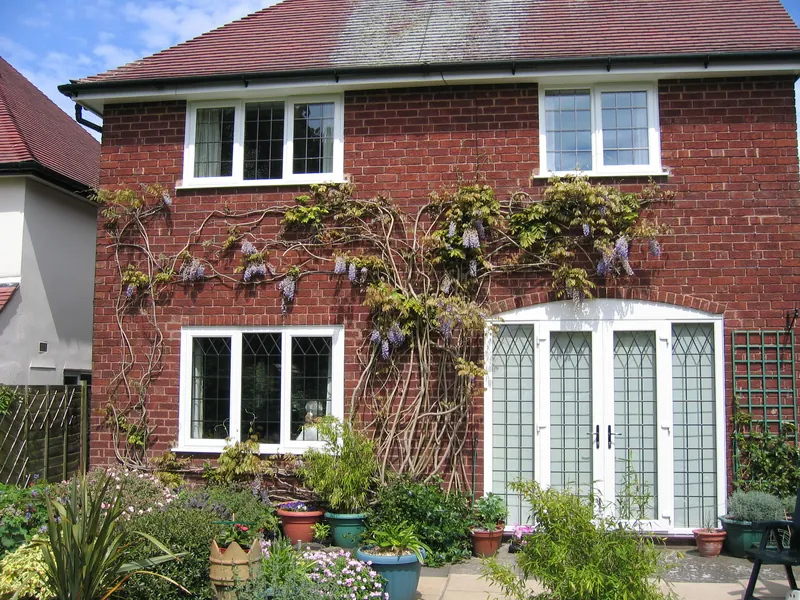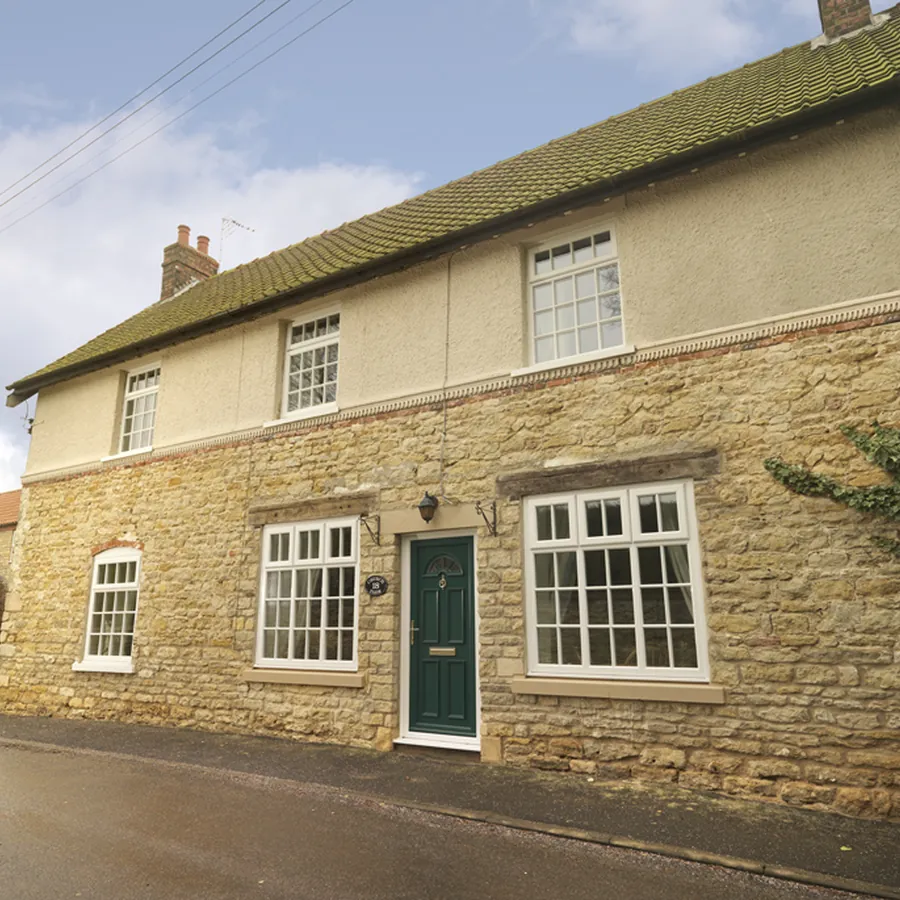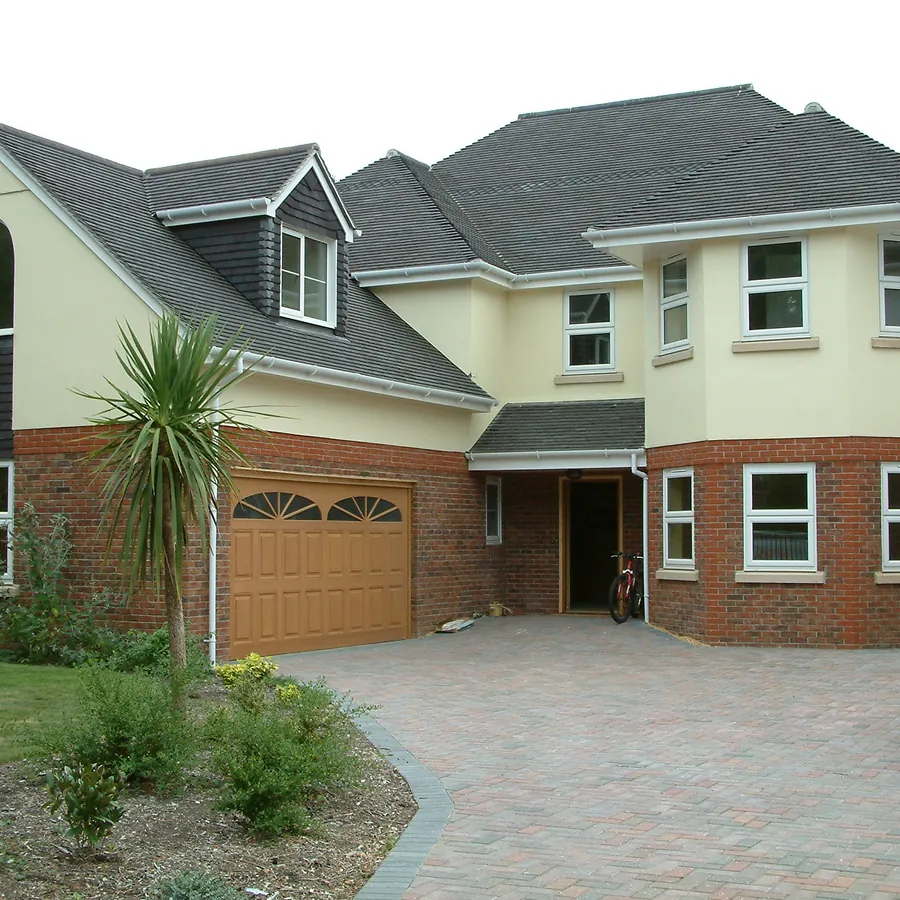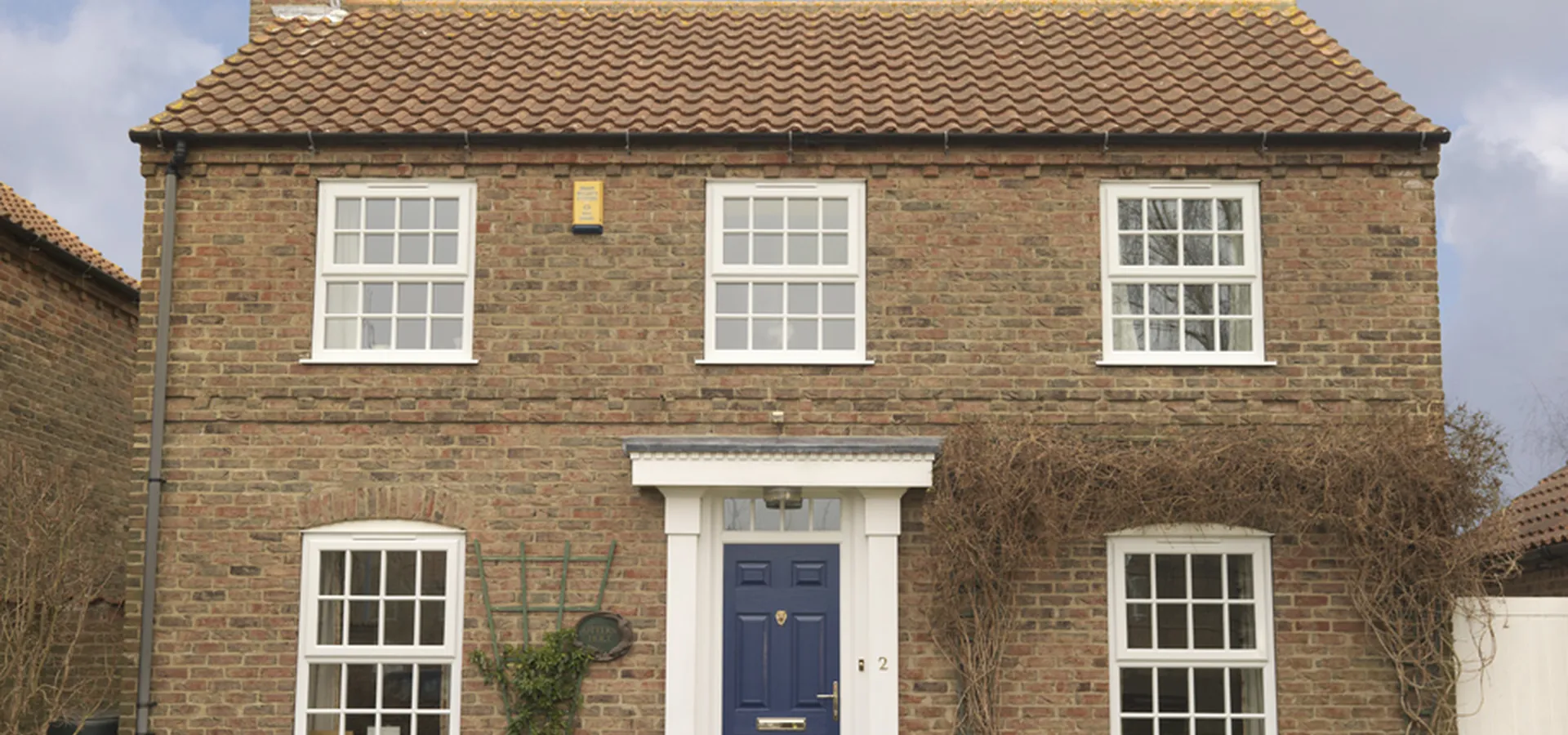
We supply and fit uPVC double glazing in Abbey Wood, with made-to-measure windows for every kind of home. This page is for homeowners who want warm, secure windows that need almost no upkeep. You will learn about the styles and colours we offer, how the frames are built, what drives the cost and how to look after them.
All our work is signed off under FENSA and has a 10-year guarantee. For the full range, see our double glazing windows page, or go back to our double glazing home page.
Why uPVC Is the Most Popular Frame
uPVC stands for unplasticised polyvinyl chloride. It is a rigid plastic that does not rot, rust or need painting. That is why it is the most common window frame in the UK.
- Low upkeep: a wipe with soapy water is all it needs.
- Warm: the frame has several hollow chambers that trap air and slow heat loss.
- Secure: steel inside the frame and multi-point locks make it hard to force.
- Good value: it costs less than aluminium or timber for the same size.
- Recyclable: old uPVC frames can be ground down and made into new ones.
Styles of uPVC Window
We make uPVC windows in all the main styles, each built to the size we measure on site.
- Casement windows: side or top hung, the classic choice for most UK homes.
- Flush casements: the sash sits level with the frame for a neat, timber-like look.
- Sash windows: vertical sliders that keep the look of a Victorian or Georgian front.
- Tilt and turn: open inwards, ideal for upper floors and flats.
- Bay and bow windows: several units joined to follow the shape of the bay. See our bay windows page for more.
We can add Georgian bars, leaded lights and decorative glass to suit the age of your home.
Colours and Finishes
uPVC is no longer just white. You can choose:
- white, cream or ivory for a classic look;
- greys, black and other modern colours, often in a smooth or textured finish;
- wood-grain foils such as golden oak, rosewood and Irish oak;
- one colour outside and white inside, so the window suits both the street and your rooms.
Handles and hinges come in white, black, chrome, gold and satin finishes. We bring samples to the survey so you can see them in daylight.
How Our uPVC Windows Are Built
Each frame is cut from lengths of profile, then the corners are welded. Steel is placed in the chambers for strength. The glass unit is fitted from the inside and held with beads.
A standard window includes:
- a multi-chamber frame, often with five or more chambers;
- a sealed glass unit, often 28mm, with argon gas and a warm edge spacer;
- a low-E coating that bounces heat back into the room;
- two rows of rubber seals round the sash;
- multi-point locks with shoot bolts or hook bolts;
- internal beads, so the glass cannot be taken out from outside;
- trickle vents where needed for fresh air.
A good double glazed uPVC window reaches a whole-window U-value of 1.4 W/m²K or less, which meets Building Regulations Part L for replacements. For even less heat loss, most of our uPVC frames can take triple glazed units.
Security and Safety Features
Every uPVC window we fit is built to keep your home safe. Steel runs inside the frame, so it is hard to bend or force. Multi-point locks grip the frame at several points when you turn the handle. The glass is held by beads on the inside, so it cannot be taken out from the street.
- Locking handles with a key for ground floor rooms.
- Restrictors that limit how far a sash opens, for children's rooms.
- Toughened or laminated glass in low panes and near doors.
- Fire escape hinges in bedrooms on upper floors.
uPVC or Aluminium?
uPVC costs less and is warmer for its price. Aluminium has slimmer frames, takes bigger panes and comes in more colours. Many people choose uPVC for most windows and aluminium for large doors or a modern extension. See our aluminium double glazing page, or our full guide to uPVC vs aluminium.
How We Fit uPVC Windows
We take out the old windows with care to protect your walls and plaster. Then we check each opening for rot, damp or a weak lintel. The new frame goes in on packers so it sits level and square, and we fix it to the wall with frame screws. We glaze it, adjust the sash, then seal the gaps and fit trims inside and out.
A typical house takes one or two days. We clean up as we go. The full process from survey to after-care is set out on our how we work page.
As FENSA members, we self-certify the work under Building Regulations and send you a certificate. Planning permission is rarely needed to swap old windows for new ones on a house. Listed buildings, flats and homes in some conservation areas may have extra rules, and we check these at the survey.
What Drives the Cost of uPVC Double Glazing
We do not list fixed prices, because every window is made for its own opening. The main things that move the price are:
- Size and number: more and larger windows mean more frame and glass.
- Style: sash and tilt and turn cost more than a simple casement.
- Colour: foils and two-tone finishes cost more than white.
- Glass: triple, acoustic, obscure or safety glass.
- Extras: Georgian bars, leaded lights and special handles.
- The opening: new sills, lintels or repairs to the reveals.
- Access: upper floors and tight spaces can add time.
Our double glazing prices page explains how window costs build up. Every job gets a written, fixed quote after a free survey, with the payment stages set out in it. You can ask for your quote here.
Looking After uPVC Windows
- Wipe the frames with warm, soapy water a few times a year.
- Avoid bleach, solvents and scouring pads, which can dull the finish.
- Keep the drain slots at the base of the frame clear.
- Oil the hinges and locks once a year.
- Check the seals are clean and seated.
If a sash drops or a lock gets stiff, call us. Most small issues are fixed with a quick adjustment.
Frequently Asked Questions
How long does uPVC double glazing last?
Good uPVC windows last for decades. The frame does not rot or rust, and the colour is built into the plastic or foil. The parts that wear first are the sealed glass units, locks and hinges. These can all be replaced on their own, so you do not need to change the whole window when one part ages.
What colours can you get for uPVC double glazing?
You can choose white, cream, greys, black and many other shades, plus wood-grain foils such as oak and rosewood. Many frames can be one colour outside and white inside. Handles and hinges come in matching finishes. We bring samples to the survey, so you can see each colour next to your brick or render before you choose.
Can you replace single glazing with uPVC double glazing?
Yes. We take out the old single glazed window, frame and all, then fit a new uPVC window made to the size of the opening. This gives a sealed, square fit and lets us check the opening for damp or rot. In listed buildings and some conservation areas, you may need consent first, and we check this at the survey.
What upkeep do uPVC windows need?
Very little. Wipe the frames with warm, soapy water a few times a year and clean the glass as normal. Keep the drain slots clear and oil the hinges and locks once a year. Avoid bleach and harsh cleaners. If a sash starts to drop or a lock gets stiff, we can adjust it for you.
Is uPVC double glazing kind to the planet?
uPVC frames keep heat in for many years and need no paint or treatment. At the end of their life, old frames can be recycled into new profile, and many makers now use recycled content. The glass and steel can be recycled too. When we take out your old windows, we send them for recycling where we can.