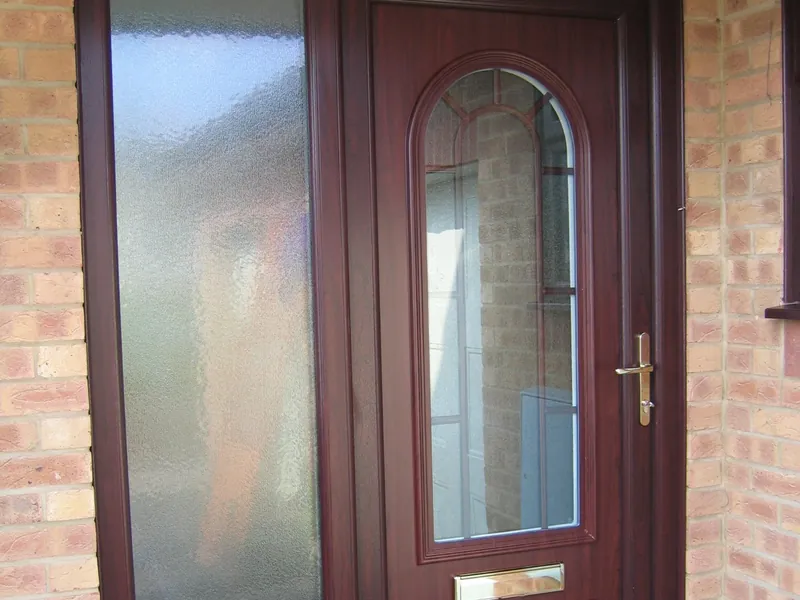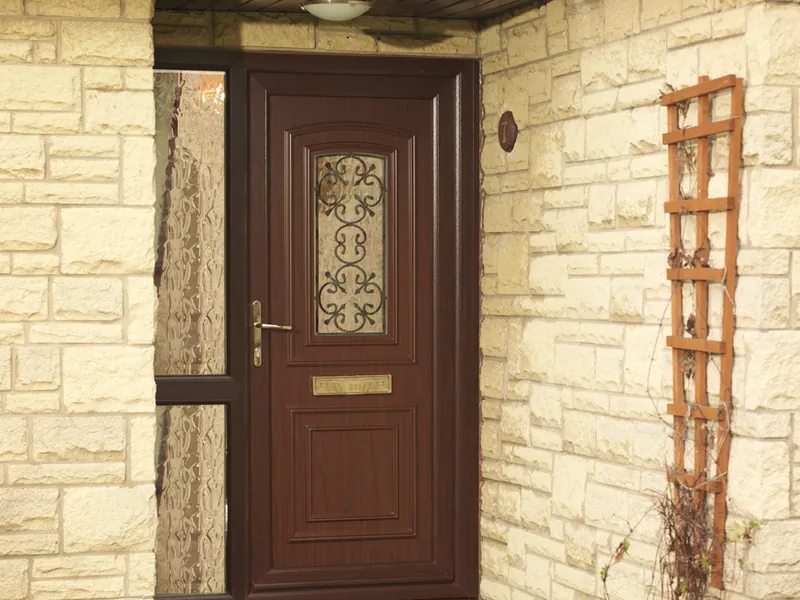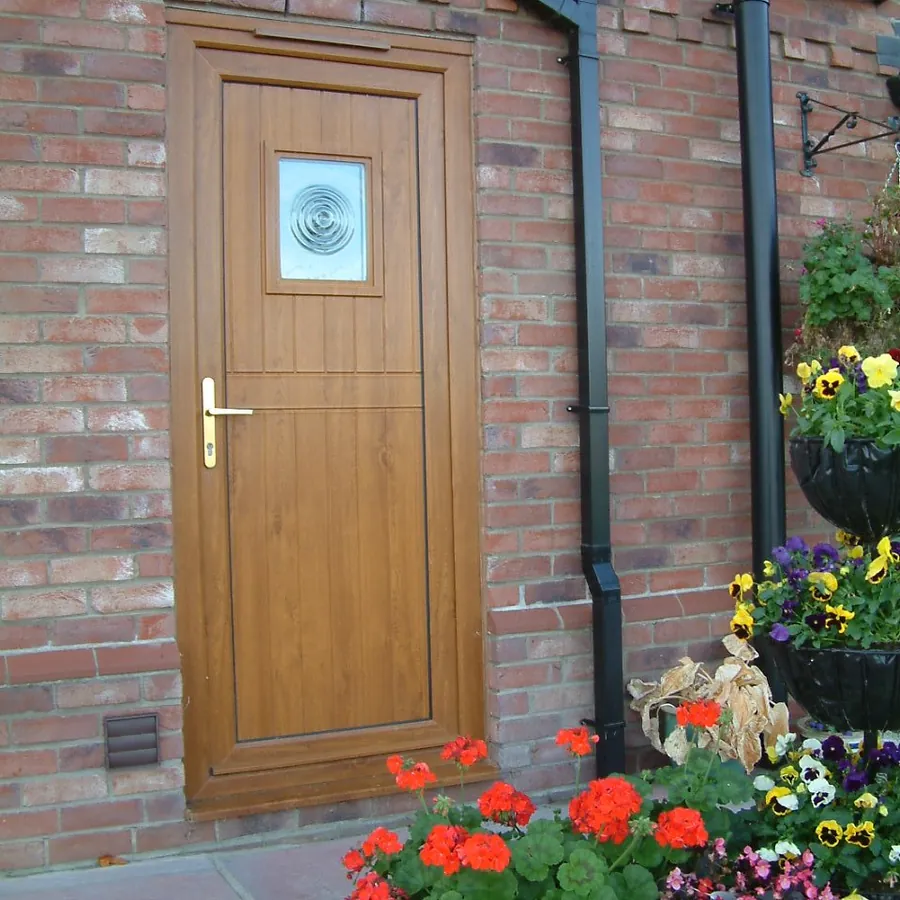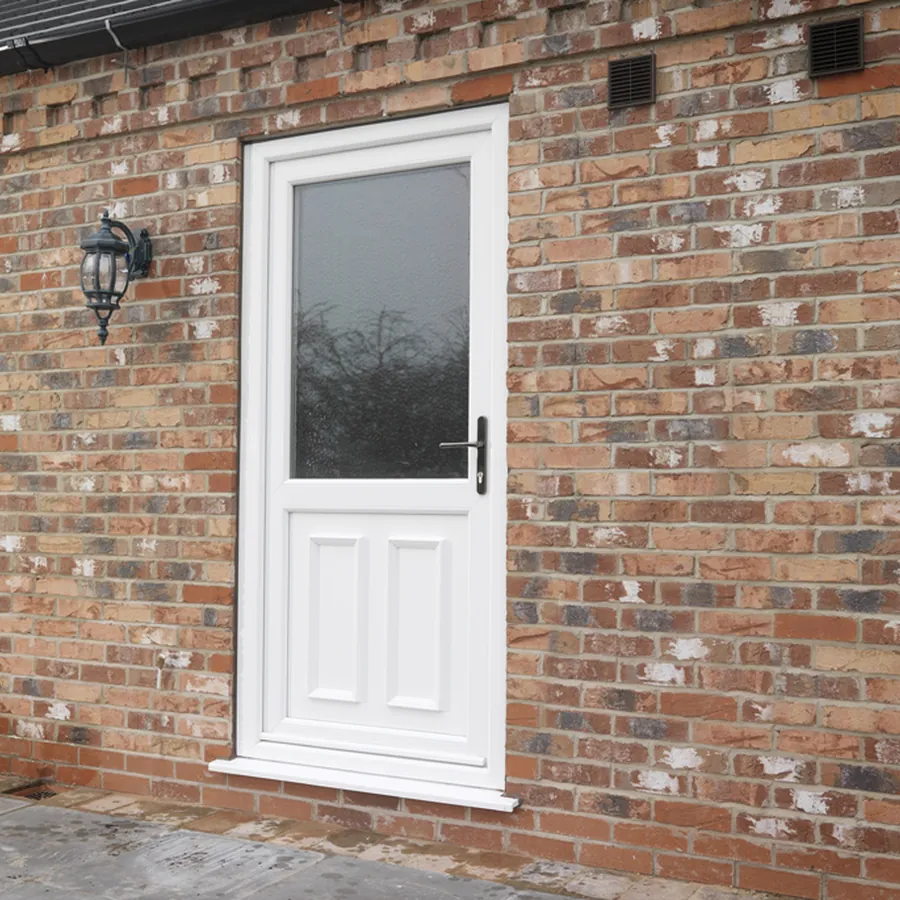
We supply and fit uPVC doors in Abbey Wood, made to measure for front, back, side and garden openings. They suit homeowners who want a warm, secure door that costs less than composite or aluminium and needs very little care. You get a door built to your opening, fitted by our own team, with a 10-year guarantee.
uPVC is short for unplasticised polyvinyl chloride. It is a rigid plastic that does not rot, warp or need painting. Modern uPVC doors are steel reinforced, multi-chambered and fitted with strong locks. As a FENSA registered installer, we sign off every door under Building Regulations.
uPVC doors are part of our wider double glazing service. To see every style we fit, visit our double glazing doors page.
Types of uPVC Door We Fit
uPVC is used for almost every kind of door. The main types are:
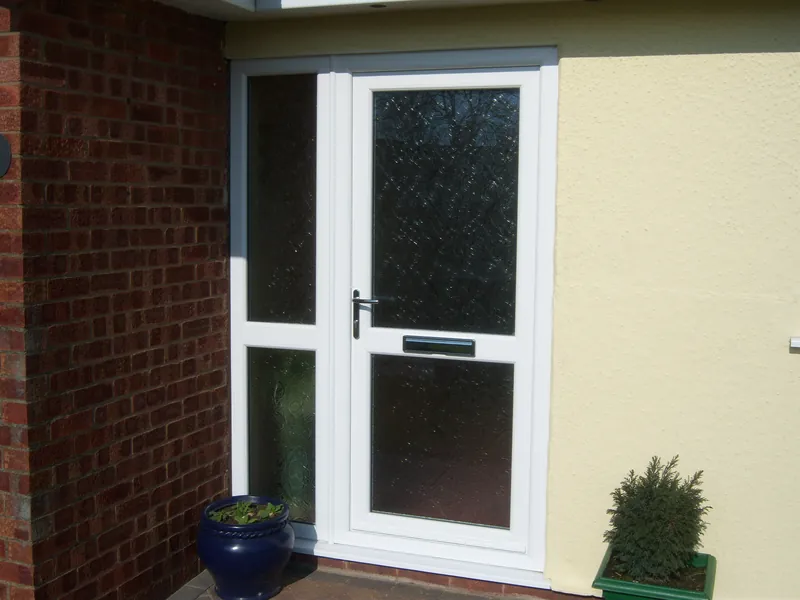
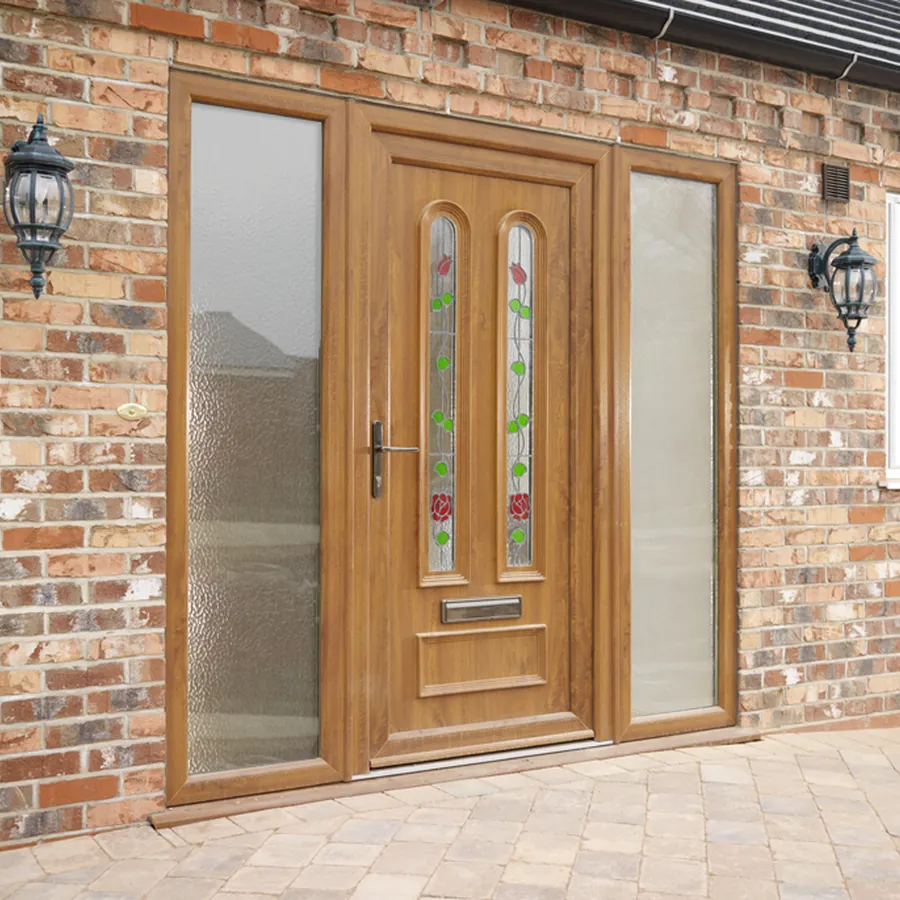
- Front doors: panelled or glazed doors with a letter plate, knocker and side panels if you want them.
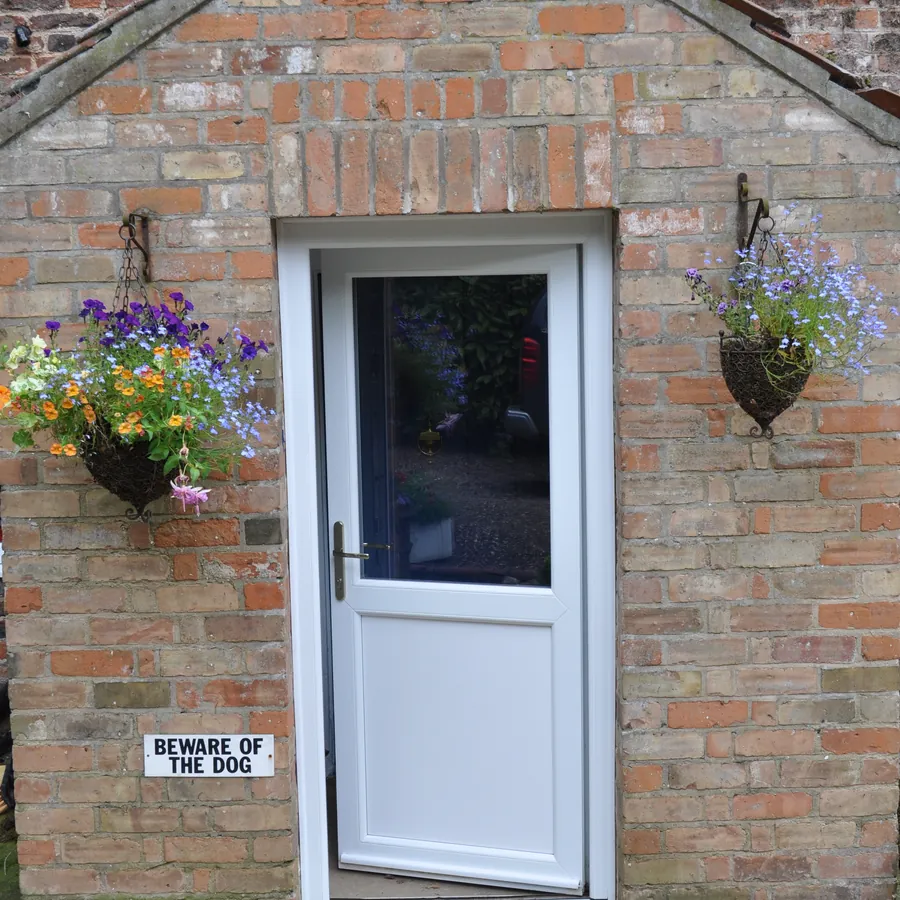
- Back doors: half-glazed or fully glazed doors for kitchens and utility rooms. See our back doors page.
- French doors: a pair of doors that both open onto the garden.
- Sliding patio doors: large panes that glide on a track and take up no floor space.
- Stable doors: split doors where the top half opens on its own.
- Doors for porches and lean-tos: light, low-cost doors for an inner or outer porch.
All of them share the same frame system, so the colours and handles match across the house.
How a uPVC Door Is Built
A good uPVC door is more than a plastic panel. Inside the frame there are several hollow chambers. These trap air and slow the loss of heat. Steel sections run through the frame to keep it rigid and stop it bending over time.
The door panel itself is either:
- A solid infill panel: an insulated foam core with uPVC skins, often with a raised or flat panel design.
- A glazed panel: a double glazed unit set in the door, using toughened safety glass.
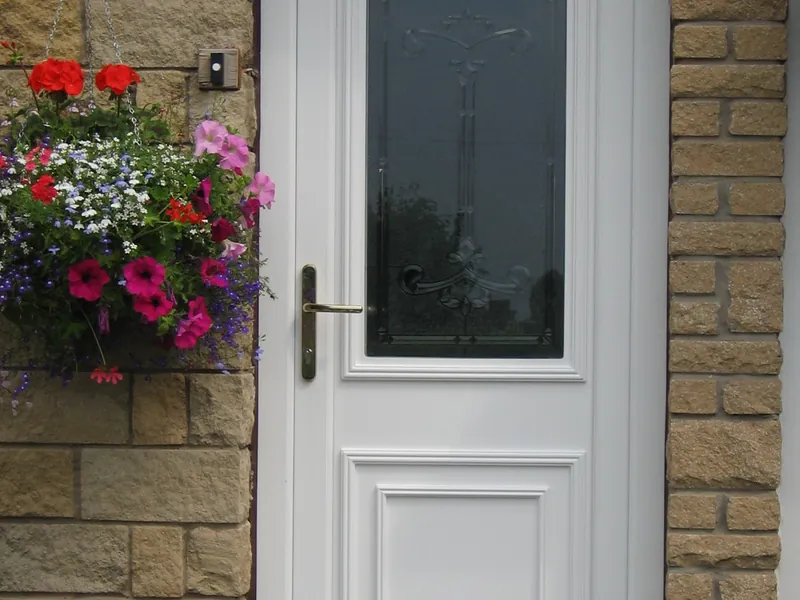
- A mix of both: a solid lower half and a glazed top, which is common on back doors.
Our standard glass is a 28mm double glazed unit with argon gas and a low-E coating. The glass is fixed from the inside with internal beads. Q-LON style seals run round the frame to stop draughts and rain.
Colours, Glass and Hardware
uPVC doors are no longer just white. You can choose:
- White, cream, grey, black and a wide range of solid colours
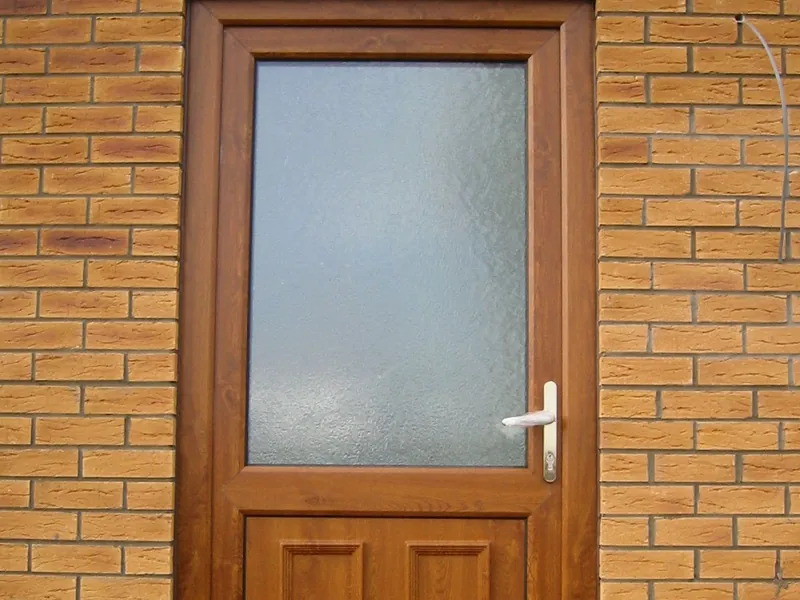
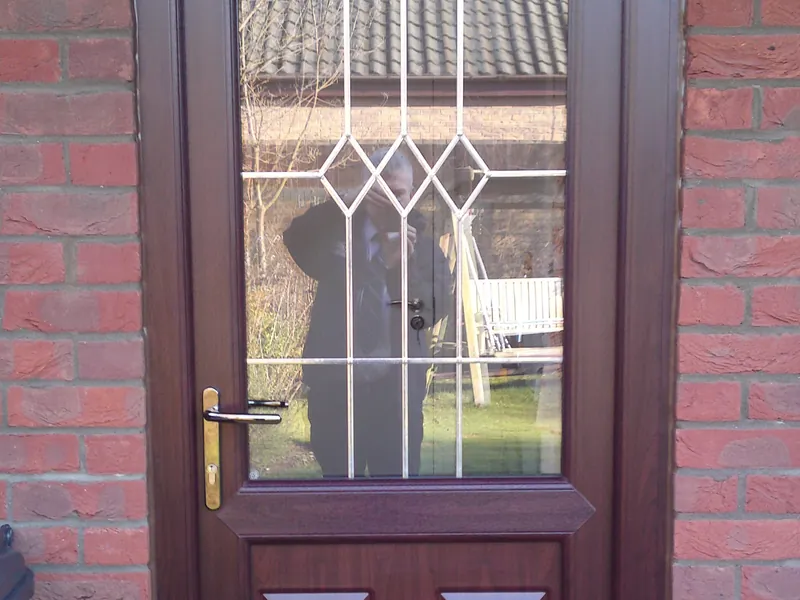
- Woodgrain foils such as oak, rosewood and walnut
- A colour on the outside and white on the inside
- Clear, obscure, leaded or bevelled glass
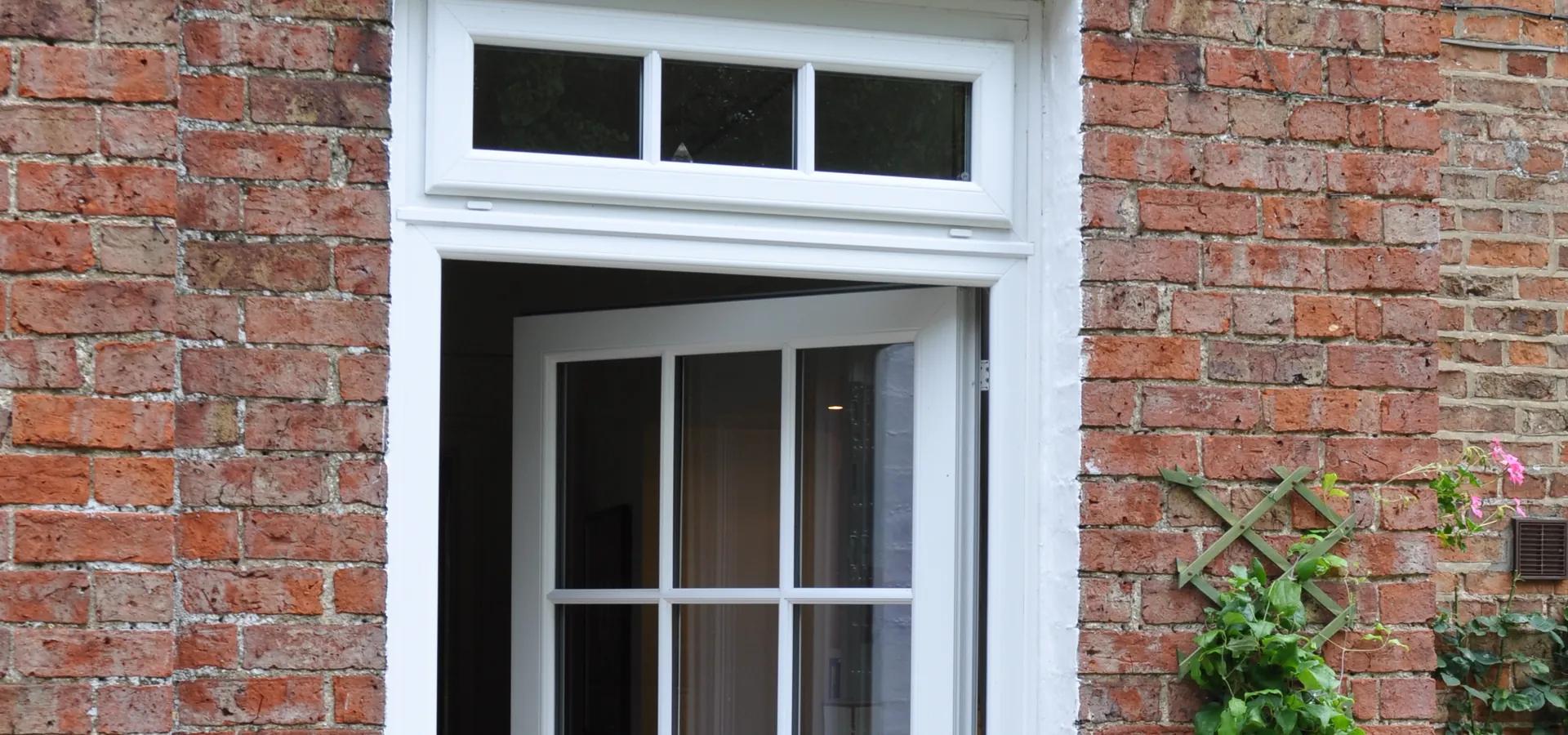
- Georgian bars for a period look
- Chrome, gold, black or satin handles and letter plates
We can match the colour and style of your doors to new double glazing windows. That gives the outside of your home a tidy, finished look.
Security and Weather Resistance
Every uPVC door we fit has:
- A multi-point lock with hooks and rollers along the edge
- Anti-snap, anti-pick and anti-drill cylinders
- Steel reinforcement in the frame and the door
- Hinge-side security pins
- Toughened safety glass, fixed from the inside
uPVC also stands up well to British weather. It does not swell in the rain or crack in the sun. Good seals and a drip bar keep water out. Wipe it clean and it looks the same year after year.
How We Make and Fit Your uPVC Door
We start with a free survey. We measure the opening, check the frame and step, and talk through style, colour and locks. Then we send a written, fixed quote. Once you go ahead, your door is made to measure.
On fitting day, we take out the old door and frame. We fit the new frame, fix it, seal it and hang the door. Then we adjust the lock, finish the edges and clear up. A single uPVC door is usually fitted in half a day.
You can read the full journey from survey to after-care on our how we work page.
What Affects the Cost of a uPVC Door
uPVC is the lowest-cost door material we fit. We still do not publish set prices, as each door is built to order. The main price drivers are:
- Door type. A single back door costs less than French or sliding doors.
- Size. Larger doors need more frame and glass.
- Colour. Foils and dual colours cost more than white.
- Glass. Decorative, obscure or triple glazed units add to the price.
- Extras. Side panels, top lights and premium handles add to the total.
- Opening work. A damaged sill, step or lintel adds labour.
Every job gets a written, fixed quote after a free survey, with the payment stages set out. To book yours, request a quote.
Building Regulations and Upkeep
A new uPVC door counts as building work. It must meet Part L for heat loss, with a U-value of 1.4 W/m²K or better, and any glass must be safety glass. As a FENSA registered firm, we self-certify the work and you get a certificate at the end.
uPVC needs very little care:
- Wash the frame and door with warm soapy water every few months.
- Do not use bleach, solvents or scouring pads.
- Oil the lock and hinges once a year.
- Keep the drain slots clear.
- Call us if the door drops or rubs. A hinge adjustment fixes most problems.
uPVC or Another Door Material?
uPVC is a sensible choice for most back, side and garden doors. It is warm, secure and low in cost. If you want a heavier front door with a woodgrain texture, composite may suit you better. If you want slim frames, large panes and a modern look, see our aluminium doors. Timber suits listed buildings, but it needs regular painting.
We can bring samples of each to your survey so you can compare them side by side.
Frequently Asked Questions
Are uPVC doors good for the environment?
uPVC has a long working life and needs no paint, stain or harsh treatments. A well-fitted door keeps heat in, so your home uses less energy. At the end of its life, the frame can be recycled into new uPVC products. Ask us about frames made with recycled content if that matters to you, and we will show you what is on offer.
How does the price of uPVC compare with wooden doors?
uPVC doors usually cost less than hardwood doors to buy and fit. They also cost less to own, as they never need sanding or painting. Wooden doors look lovely and suit period homes, but they need regular care to stop rot and swelling. We give a written, fixed quote after a free survey, so you can compare.
Can uPVC doors be recycled?
Yes. uPVC can be recycled many times. Old frames are cut up, cleaned and ground down, then used to make new window and door profiles. Steel from the frame is recycled too. When we take out your old doors, we send the waste for recycling where we can rather than to landfill.
What maintenance do uPVC doors need?
Very little. Wash the door and frame with warm soapy water a few times a year. Avoid bleach and scouring pads, as they can mark the surface. Oil the lock and hinges once a year. Keep the drain slots at the base clear of leaves. If the door starts to drop or rub, call us to adjust it.
Do uPVC doors come with a guarantee?
Yes. Every uPVC door we fit comes with our 10-year guarantee. It covers the door, the frame, the locks and the sealed glass units. You also get a FENSA certificate to show the work meets Building Regulations. Keep both with your house papers, as you will need them if you sell.